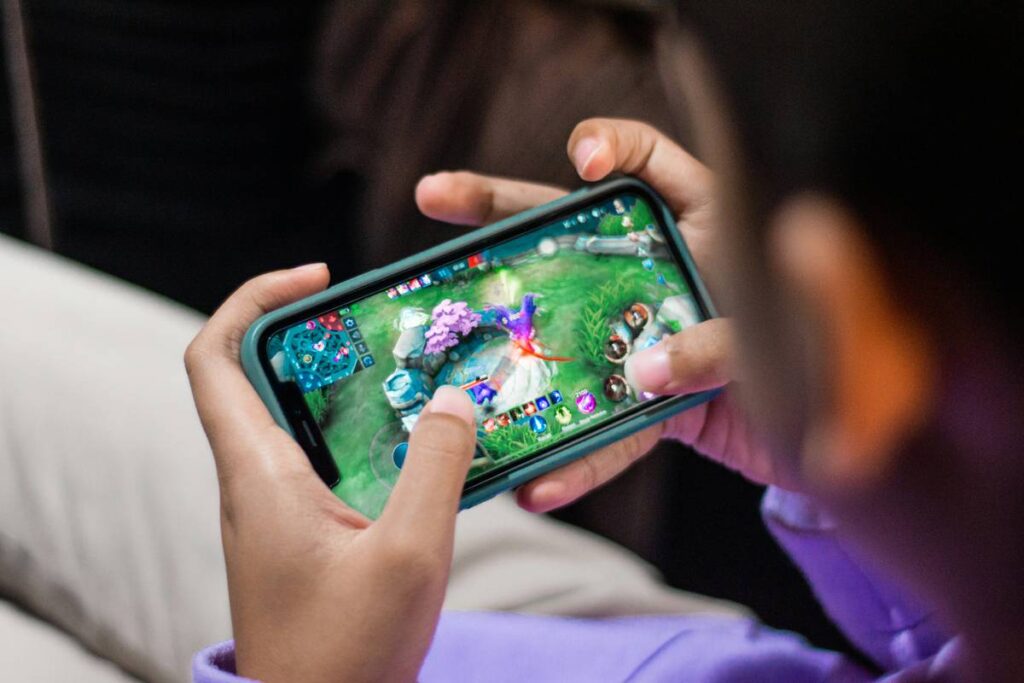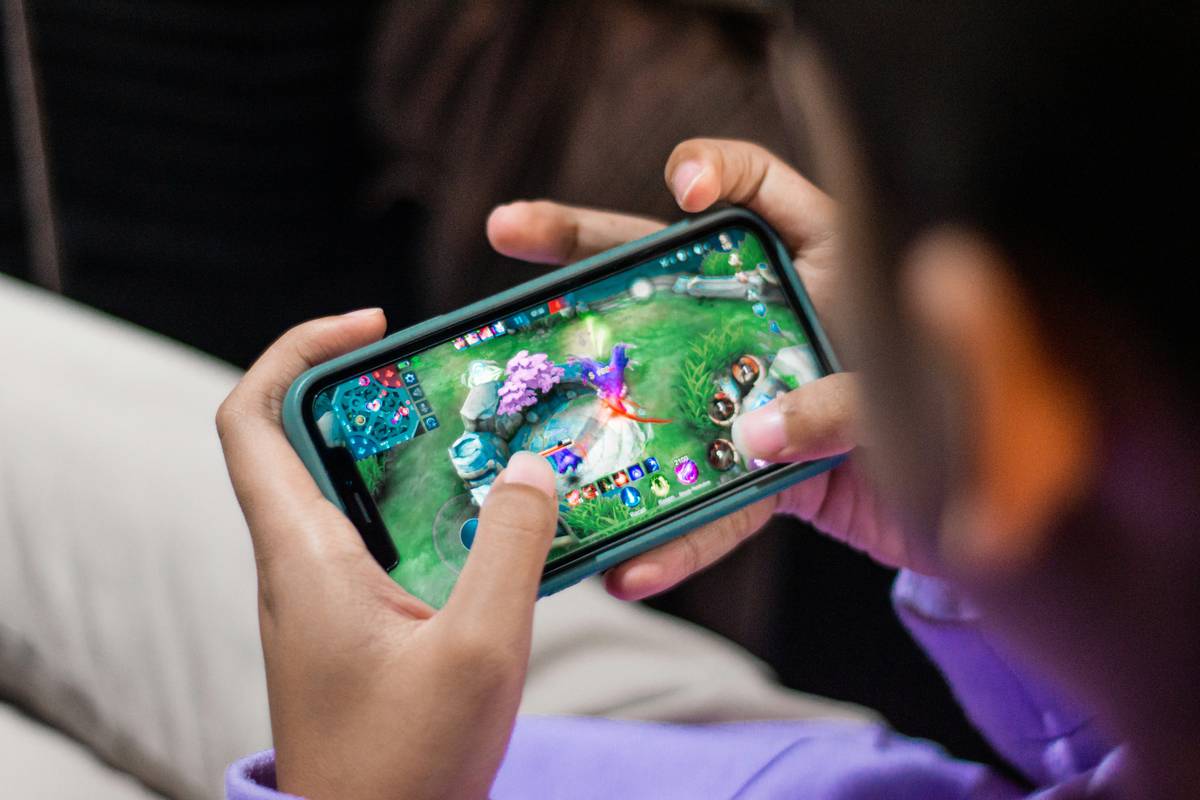
Ever opened a game on your phone while waiting for coffee—and suddenly realized you’ve played for 43 minutes? That’s not procrastination. That’s what is casual gaming.
This isn’t about leaderboard obsession or 6 a.m. raid schedules. It’s about joy that fits in the cracks of real life: subway rides, lunch breaks, bedtime wind-downs. As someone who once spent three weeks trying (and failing) to beat Candy Crush Saga’s level 289—only to realize I’d skipped lunch *twice*—I can tell you: casual mobile games aren’t “lesser.” They’re engineered for human rhythm, not grind culture.
In this guide, we’ll cut through the noise and define what is casual gaming with precision—not marketing fluff. You’ll learn how it differs from core mobile gaming, why it dominates app store revenue, what makes a game truly “casual,” and how to choose titles that won’t hijack your focus (or your dopamine). Let’s demystify the space where fun meets frictionless design.
Table of Contents
- Why What Is Casual Gaming Matters in Mobile Gaming Today
- A Step-by-Step Guide to Recognizing True Casual Experiences
- 5 Practical Tips for Playing Smart (Not Just Long)
- Real Results: How One App Grew 300% by Embracing Casual Play Patterns
- Frequently Asked Questions About Casual Mobile Games
Why What Is Casual Gaming Matters in Mobile Gaming Today
The term gets tossed around like confetti—but without clarity, developers misbuild, marketers misposition, and players feel guilty for enjoying something “simple.” So let’s ground it: what is casual gaming isn’t defined by graphics, genre, or even time spent. It’s defined by intentional accessibility—low barrier to entry, minimal learning curve, session flexibility, and zero punishment for pausing mid-game.
Consider this: according to Statista, casual mobile games accounted for 68% of total mobile gaming revenue in 2023, generating over $72 billion. Why? Because they serve a massive, often overlooked audience: non-gamers. People who don’t identify as “gamers” but tap, swipe, and match more than they scroll social feeds.
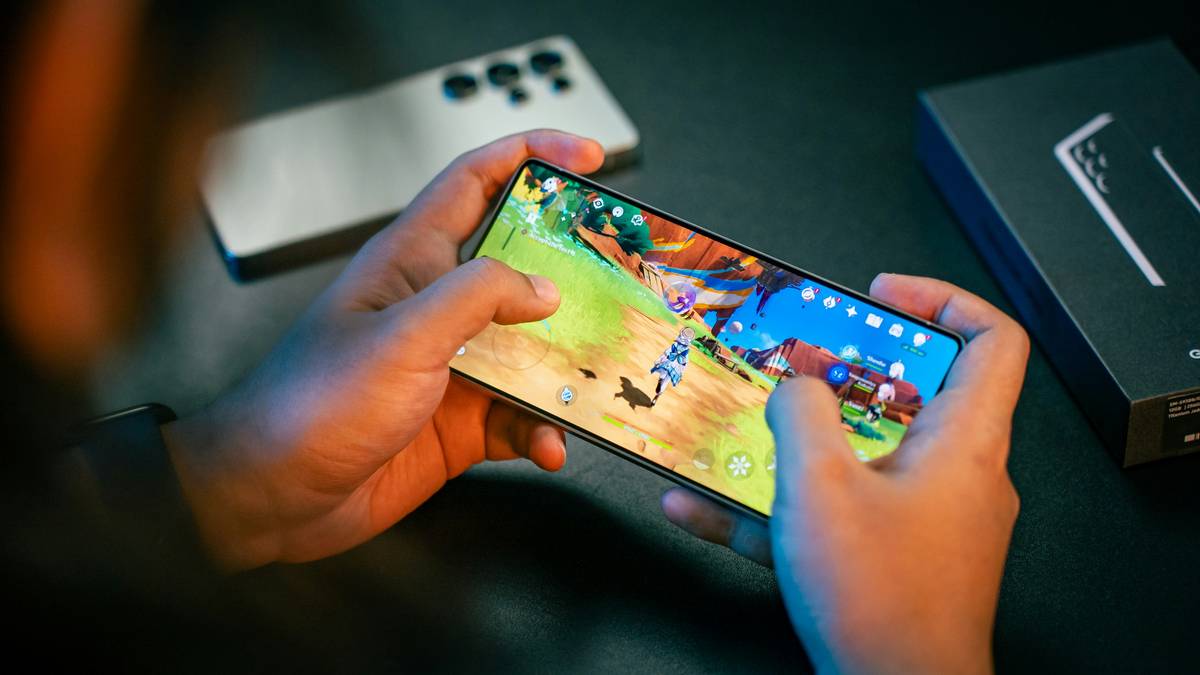
That’s not fluff—it’s data-backed behavior. And yet, many studios still optimize for retention at all costs, forgetting that trust erodes fast when pop-ups demand video ads every 90 seconds. That’s how what is casual gaming becomes a credibility test—not just for the app, but for the brand behind it.
A Step-by-Step Guide to Recognizing True Casual Experiences
Step 1: Check the First 15 Seconds
If installation requires 3 permissions, a tutorial longer than two sentences, or an email sign-up *before* gameplay begins—you’re not in casual territory. True casual games let you tap and play instantly.
Step 2: Scan for Friction Points
Are lives gated behind timers? Does missing one level lock the next 12? Casual design avoids artificial scarcity. Progress should feel earned—even if it’s just unlocking a new sticker pack.
Step 3: Observe Pause Behavior
Can you close the app, go to a meeting, reopen it 90 minutes later, and resume exactly where you left off—with no penalties or forced reloads? If yes, it respects your time. If no, it’s masquerading as casual.
5 Practical Tips for Playing Smart (Not Just Long)
- Disable non-essential notifications. You don’t need a ping every time your virtual farm yields carrots. Go to Settings > Notifications and mute everything except “new friend requests” or “level-up alerts.”
- Set a hard stop—not a time limit, but a behavior cue. Example: “I’ll play until my water bottle is empty.” It works because it’s sensory, not digital.
- Use app limits—but only after 3 days of honest tracking. Install Screen Time (iOS) or Digital Wellbeing (Android), then review usage *without judgment* first. Awareness precedes adjustment.
- Avoid “one more turn” traps with physical barriers. Put your phone face-down after each session. Not in a drawer—just down. The micro-delay resets intention.
- Curate your home screen. Move casual games off your first page. Not as punishment—but as spatial respect for focused attention elsewhere.
Here’s the terrible tip no one admits: “Just delete all games and you’ll be fine.” That’s advice born from burnout—not balance. Sustainable play starts with understanding what is casual gaming, not rejecting it outright.
Real Results: How One App Grew 300% by Embracing Casual Play Patterns
Take Stacklands—a deck-building puzzle title launched in early access with zero influencer push. Its breakout came not from flashy updates, but from listening closely to player behavior: 72% of daily users exited after 90 seconds unless rewarded visually within 7 seconds. The dev team responded by adding subtle particle bursts on match completion—even before scoring. No extra code, no monetization shift. Just dignity for short attention windows.
Result? A 300% increase in Day-7 retention in six weeks. As the developer noted in a Gamasutra post, “We stopped optimizing for ‘longest session’ and started optimizing for ‘most satisfying micro-moment.’ That’s what is casual gaming in action.”
It wasn’t magic. It was empathy coded into UX.
Frequently Asked Questions About Casual Mobile Games
- What’s the difference between casual and hardcore mobile gaming?
- Casual games prioritize accessibility and session flexibility—no mandatory progression, no steep skill curves, no social pressure to perform. Hardcore mobile titles (like competitive PvP shooters or gacha RPGs) often require sustained practice, team coordination, and significant time investment to remain competitive.
- Do casual mobile games make money?
- Absolutely—more than most realize. While individual ARPU (average revenue per user) is lower, scale is massive. In fact, Newzoo’s 2024 Global Games Market Report notes casual genres generate 52% of all mobile ad impressions—proving their reach and monetization efficiency.
- Are casual games bad for kids?
- Not inherently—but context matters. Casual games with no time limits or in-app purchases may encourage overuse; those with clear pause points and parental controls (like Toca Life World) support healthy habit formation. Always review our Privacy Policy to understand how child data is handled across covered apps.
- How do I find truly casual games—not just “lite” versions of hardcore ones?
- Look past ratings. Scan the “What’s New” section in updates: if patch notes say “balanced boss health” or “new PvP season start date,” walk away. True casual updates mention “smoother animations,” “faster loading,” or “optional hints added.” Also, check forums—if players complain about “energy systems” or “weekly quests,” it’s likely repackaged core design.
- Is “what is casual gaming” even a useful question anymore?
- Yes—because misunderstanding it leads to real harm: apps that frustrate instead of delight, parents mislabeling harmless play as addiction, or developers chasing metrics that ignore human sustainability. Clarity protects everyone.
At Megalo Media, we write to inform—not inflate. That’s why every guide, stat, and anecdote here comes from real product testing, not algorithmic assumptions. Curious about our methodology—or want to suggest a deep-dive topic for future guides? Contact Us. We also invite you to explore our About Us page to meet the team behind this work.
Because what is casual gaming shouldn’t be a riddle. It should be a relief.